The Lac Brome duck recipe is one of the most emblematic in Quebec cuisine. This exceptional product, raised in Knowlton in the Eastern Townships for more than 50 years, retains its prestige on fine-dining tables and in home kitchens that aim to cook locally with rigour.
This guide offers a complete duck breast recipe, with the techniques that make the difference and the tips to avoid missing the cook. Each step comes from real in-home gastronomic services.
Why Lac Brome duck makes the best recipes
Lac Brome Duck, founded in Knowlton in the Eastern Townships, has been raising Pekin ducks for more than 50 years using methods that have not fundamentally changed. This is not marketing: it is an agricultural reality that translates directly onto the plate.
The Pekin breed is known for its pale, tender, well-marbled meat, milder in flavour than Barbary duck. The subcutaneous fat, thick and evenly distributed, protects the meat during cooking and ensures skin that crisps uniformly—provided you control the temperature properly.
The ducks’ grain-based diet, with no animal by-products, contributes to this consistency. From one order to the next, you receive a predictable raw ingredient, which is a rare quality in professional culinary work.
What to check before cooking Lac Brome duck
Here are the points a professional chef systematically checks when receiving a duck breast:
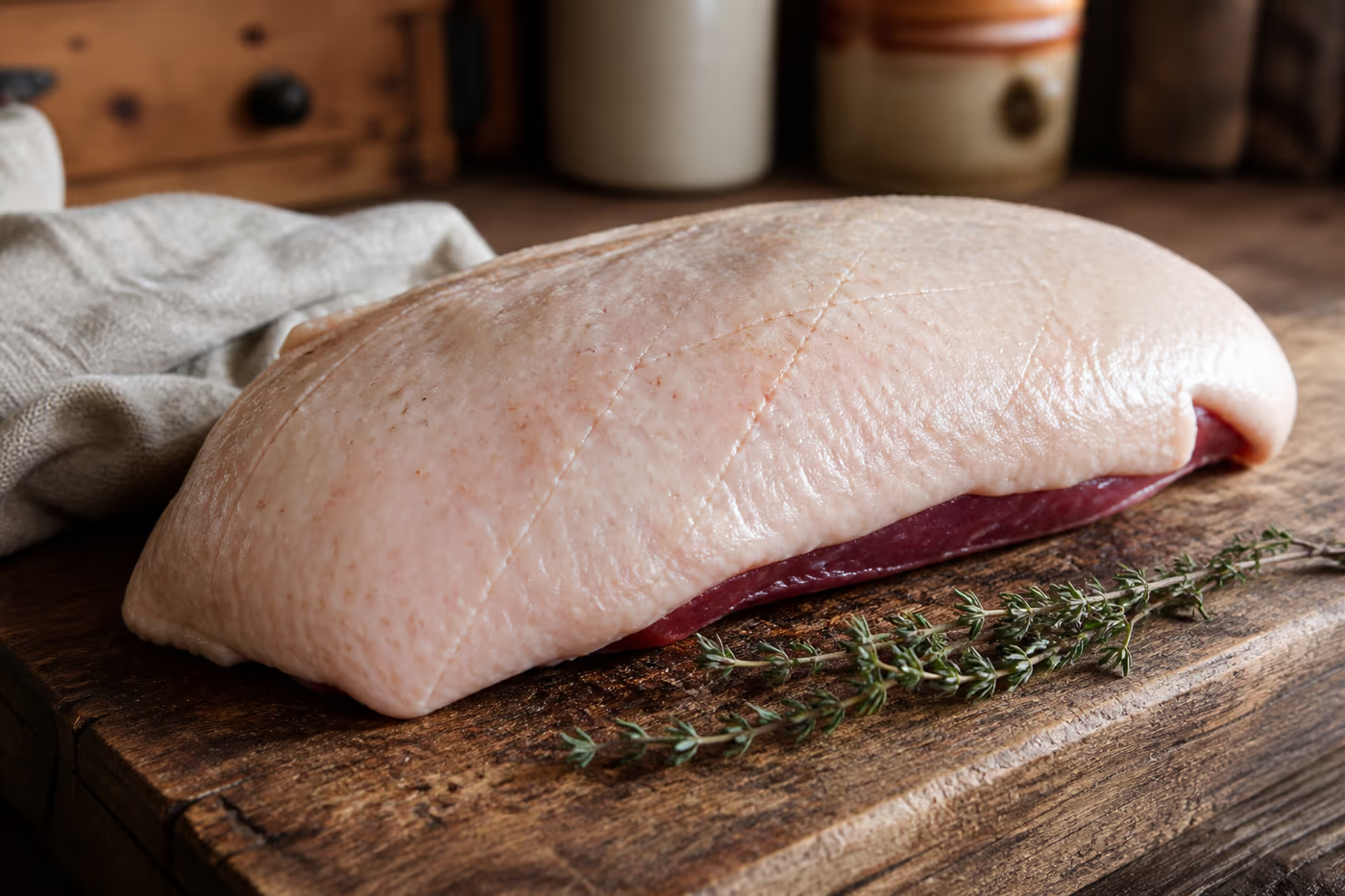
- Fat thickness: it should be even, between 8 and 12 mm. Fat that is too thin will cook too quickly; too thick, it will not render properly.
- Meat colour: pale pink to rosy, with no grey areas. Darker meat indicates excessive aging.
- Firmness: the breast should feel firm to the touch, neither soft nor rigid. A spongy texture is a bad sign.
- Skin: taut, with no tears or spots. The skin will make (or break) the final result.
Always remove the duck breast from the refrigerator at least 30 minutes before cooking. Cold meat seared directly contracts unevenly in the heat and will never cook homogeneously.
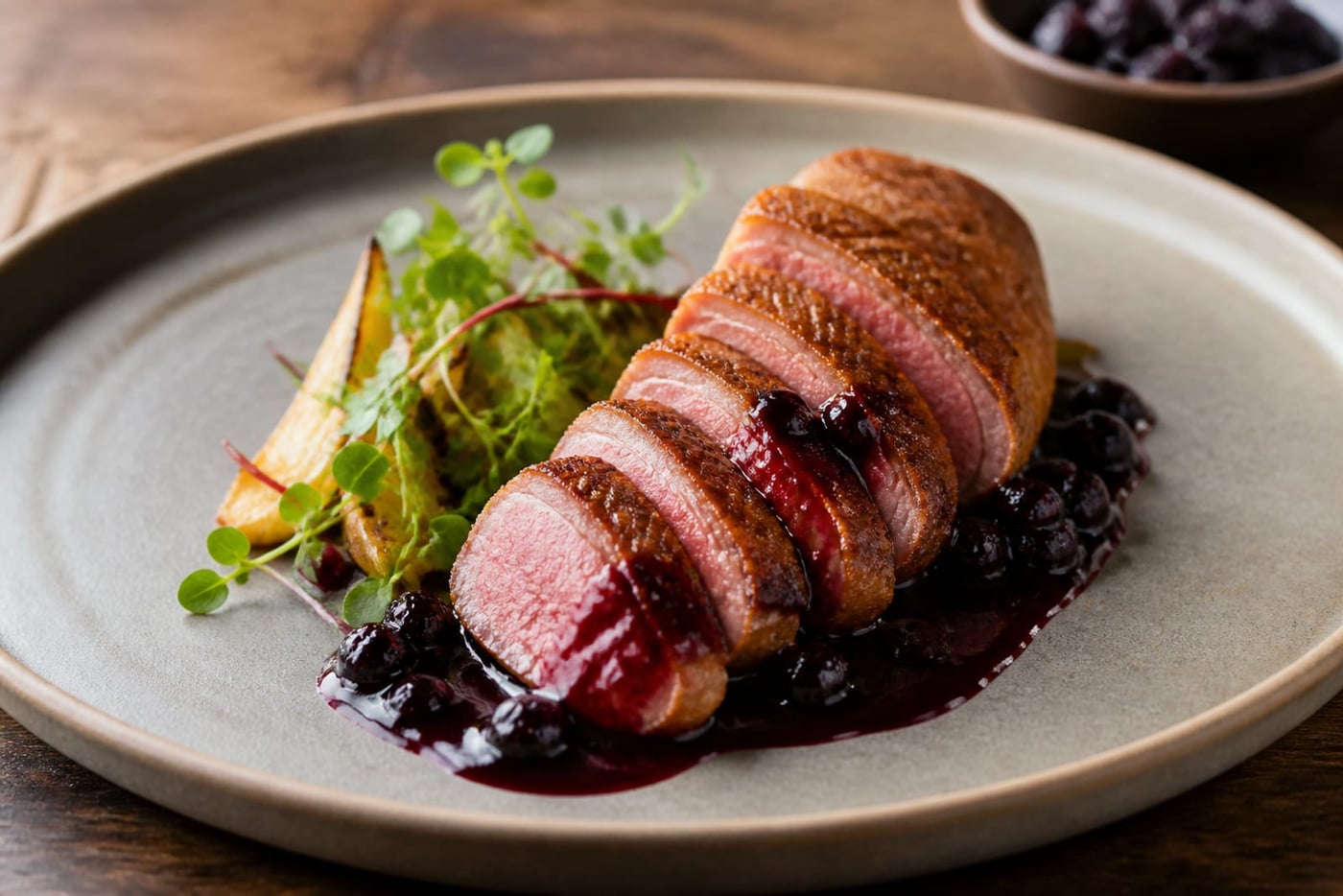
The recipe: Lac Brome duck breast with blueberry sauce
This recipe serves 4. It can be executed in a standard home kitchen, without professional equipment.
Ingredients
For the duck breast:
- 2 Lac Brome duck breasts (about 350 g each)
- Fleur de sel and freshly ground black pepper
- 2 sprigs of fresh thyme
For the blueberry sauce:
- 200 g fresh or frozen blueberries (from Quebec, preferably Lac-Saint-Jean)
- 1 French shallot, finely minced
- 100 ml full-bodied red wine (Cabernet Sauvignon or Malbec)
- 150 ml duck stock or brown poultry stock
- 1 tbsp clover honey
- 1 tbsp cold butter, cut into small cubes
- Salt and pepper
Step-by-step preparation
-
Score the skin — With a sharp knife, score the duck skin in a tight crosshatch pattern (1 cm between each cut), without ever reaching the meat. This step allows the fat to render and drain during cooking.
-
Season — Generously salt and pepper both sides of the breast. Add the thyme sprigs directly on the meat side. Let rest at room temperature.
-
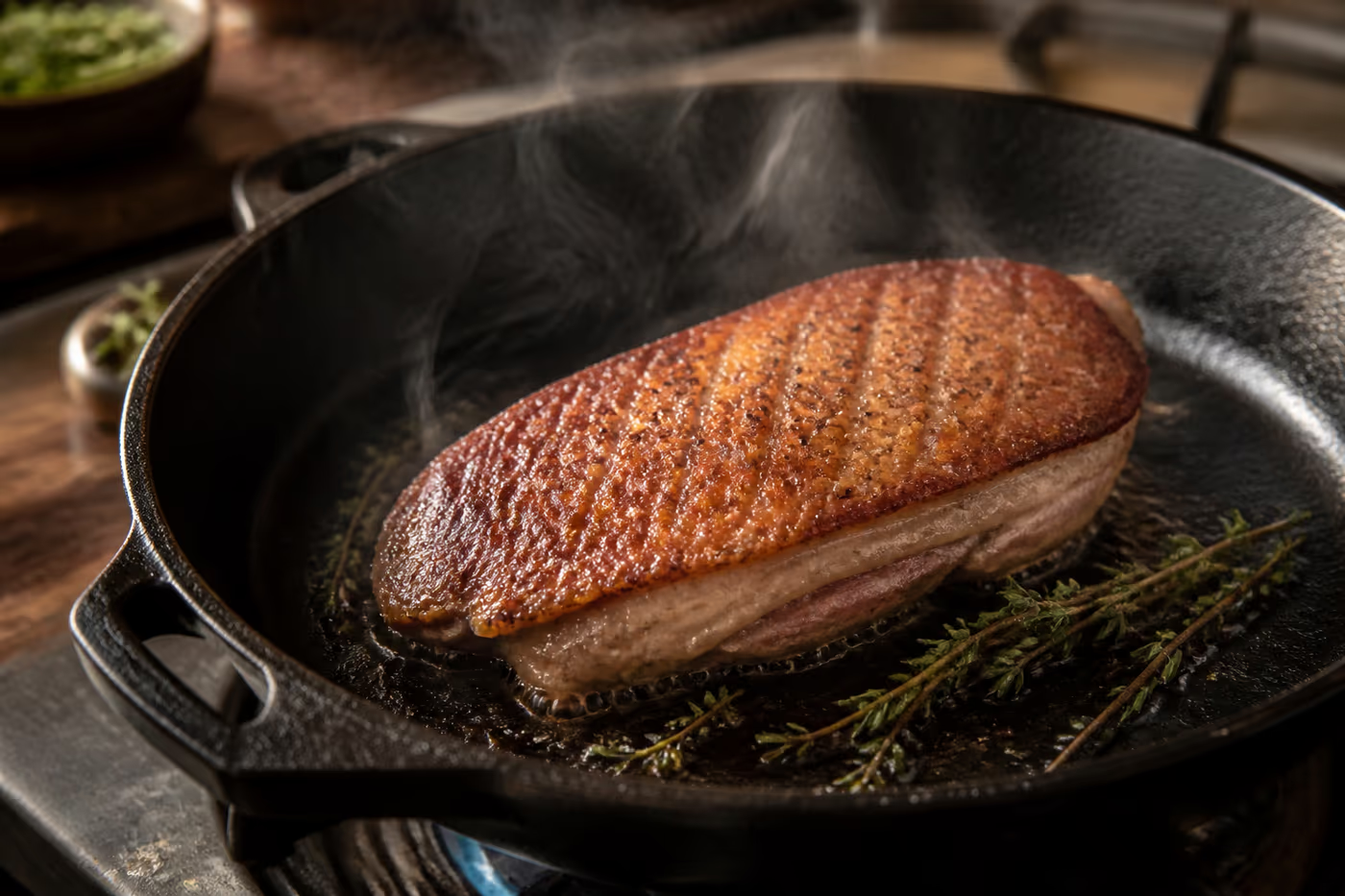
Start cooking cold — Place the breasts skin side down in a cold pan, with no added fat. Turn the heat to medium. The fat will gradually melt and release. Do not touch the meat for 8 to 10 minutes.
-
Watch the colour — The skin should reach an even, deep golden brown without burning. Remove excess fat during cooking with a spoon.
-
Flip and finish cooking — Turn the breasts meat side down. Cook 3 to 4 more minutes for a rosy finish. Target internal temperature is 57 to 60 °C (135–140 °F) for a pink result.
-
Rest — Remove from heat and rest 5 to 7 minutes, covered with foil. This rest is non-negotiable: it allows the juices to redistribute through the fibres.
For the sauce: In the same degreased pan, sweat the shallot for 2 minutes. Add the red wine and reduce by half. Add the duck stock and blueberries. Reduce another 5 minutes. Add the honey and adjust seasoning. Off the heat, finish with cold butter, whisking gently.
Chef tips to avoid missing the duck breast
- Never pierce the meat during cooking: every puncture lets juices escape
- Start in a cold pan: it is the only way to render the fat gradually
- Do not rely on time alone: use an instant-read thermometer
- Resting is as important as cooking: unrested meat loses 30% of its juices when sliced
- Slice on the bias, against the grain, for a more tender bite
The perfect pairing with Quebec terroir products
For a perfectly executed Lac Brome duck recipe, the accompaniment matters as much as the cook. Lac-Saint-Jean blueberry sauce is the classic pairing, but many options work depending on the season.
Pairings that work well:
| Season | Recommended accompaniment | Reference Quebec producer |
|---|---|---|
| Summer | Fresh blueberries, corn purée | Lac-Saint-Jean producers |
| Autumn | Wild mushrooms, game jus | Mycep (cultivated mushrooms, Quebec) |
| Winter | Apple and calvados, roasted root vegetables | Montérégie producers |
| Spring | Asparagus, brown butter and herbs | Sherrington producers |
This seasonal approach highlights local producers according to what is available. Pekin duck raised in Quebec is also recognized by specialized culinary guides as one of the most emblematic farm-raised poultry in the province’s gastronomic heritage. According to Taste of Canada, Quebec artisan producers are among the most cited in the country’s gastronomic circuits.
Prefer to enjoy this dish without cooking? Explore custom gastronomic menus.
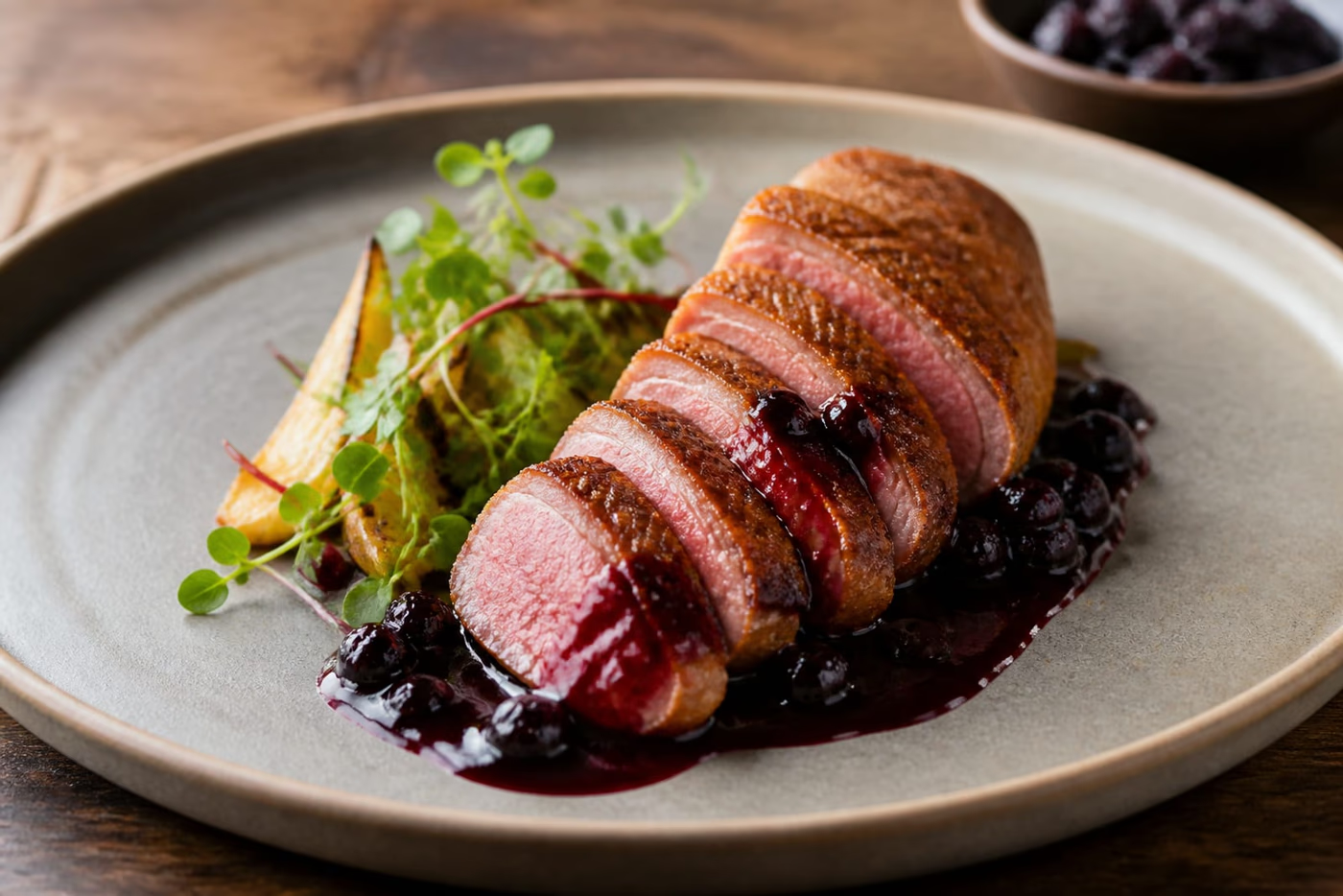
Lac Brome duck breast in a private chef menu
Duck breast from a Lac Brome duck recipe works equally well as the main course of a 3-course menu or as the centrepiece of a 5- or 7-course menu. Its richness calls for a light starter and a dessert with fresh or tangy accents.
This duck appears regularly on private chef menus in Montreal, with garnishes varied by season and guest profile. It is one of the dishes that generates the strongest reactions at private dinners—not because it is complicated, but because it is done right.
Conclusion
Lac Brome duck rewards those who give it the respect it deserves: reading the product well, controlled cooking, patient resting, and a sauce that complements without covering it.
Whether you want to reproduce this recipe at home or experience it at the table with a private chef, the result will always be greater than the sum of its ingredients.
Want to find this dish in a custom gastronomic menu? Discover available private chef packages.
FAQ
How do you cook Lac Brome duck breast at home?
To succeed with a Lac Brome duck recipe, start cooking skin side down in a cold pan, with no added fat, over medium heat. Let the fat render 8 to 10 minutes until the skin is golden. Flip and cook 3 to 4 minutes on the meat side for a rosy finish. Rest 5 to 7 minutes before slicing. Ideal temperature: 57 to 60 °C.
What is the difference between duck breast and duck leg?
Duck breast is the breast fillet of a fattened duck, thick, well marbled, and covered with a generous layer of fat. It is pan-seared, pink, in little time. The leg, more fibrous and gelatinous, suits long cooking like confit or braising. Both cuts require radically different approaches in the kitchen.
Where can you buy Lac Brome duck in Quebec?
Lac Brome duck is available at most major Quebec grocery stores, at several artisan butcher shops, and directly from the producer via their website or retail points in the Eastern Townships. It is also found at certain Montreal public markets, notably Atwater Market and Jean-Talon Market, depending on season and availability.