Quebec artisan cheeses now hold a place of honour among North America’s finest cheese traditions. Behind that reputation is a network of passionate creameries that turn local milk into creations able to stand alongside the best European houses.
Building a table around these products means offering guests a genuine journey through regions, terroirs, and the craft of the artisans who have shaped this industry for decades.
The rise of Quebec artisan cheeses
Quebec’s cheese industry was not built overnight. It truly took off in the 1980s, driven by artisan cheesemakers who introduced European-style fine cheeses into a market until then dominated by industrial cheddar.
A production that reflects solid craft
According to La Presse, in collaboration with Les Producteurs de lait du Québec, the province produces 200,300 tonnes of cheese each year, including 33,500 tonnes of fine cheeses. The town of Warwick, in Centre-du-Québec, has even been named the province’s fine-cheese capital, a title that speaks to the density and quality of this local production.
A diversity that keeps growing
According to La Terre de chez nous, several Quebec artisan cheesemakers have seen their businesses grow considerably over recent decades, with some creameries reporting production increases of 30 to 40% across their networks. That growth reflects a sustained appetite among consumers for cheeses made here.
Regions that shape distinct cheese identities
Each region of Quebec has developed its own cheese traditions, shaped by climate, pasture, and the history of its producers. Centre-du-Québec, often associated with Warwick, concentrates a significant share of fine-cheese production, while other regions stand out for farmstead specialties or well-regarded goat cheeses.
That regional diversity greatly enriches what is available when composing a gastronomic table, with each cheese telling a different story depending on its origin.
Artisan cheese categories worth discovering
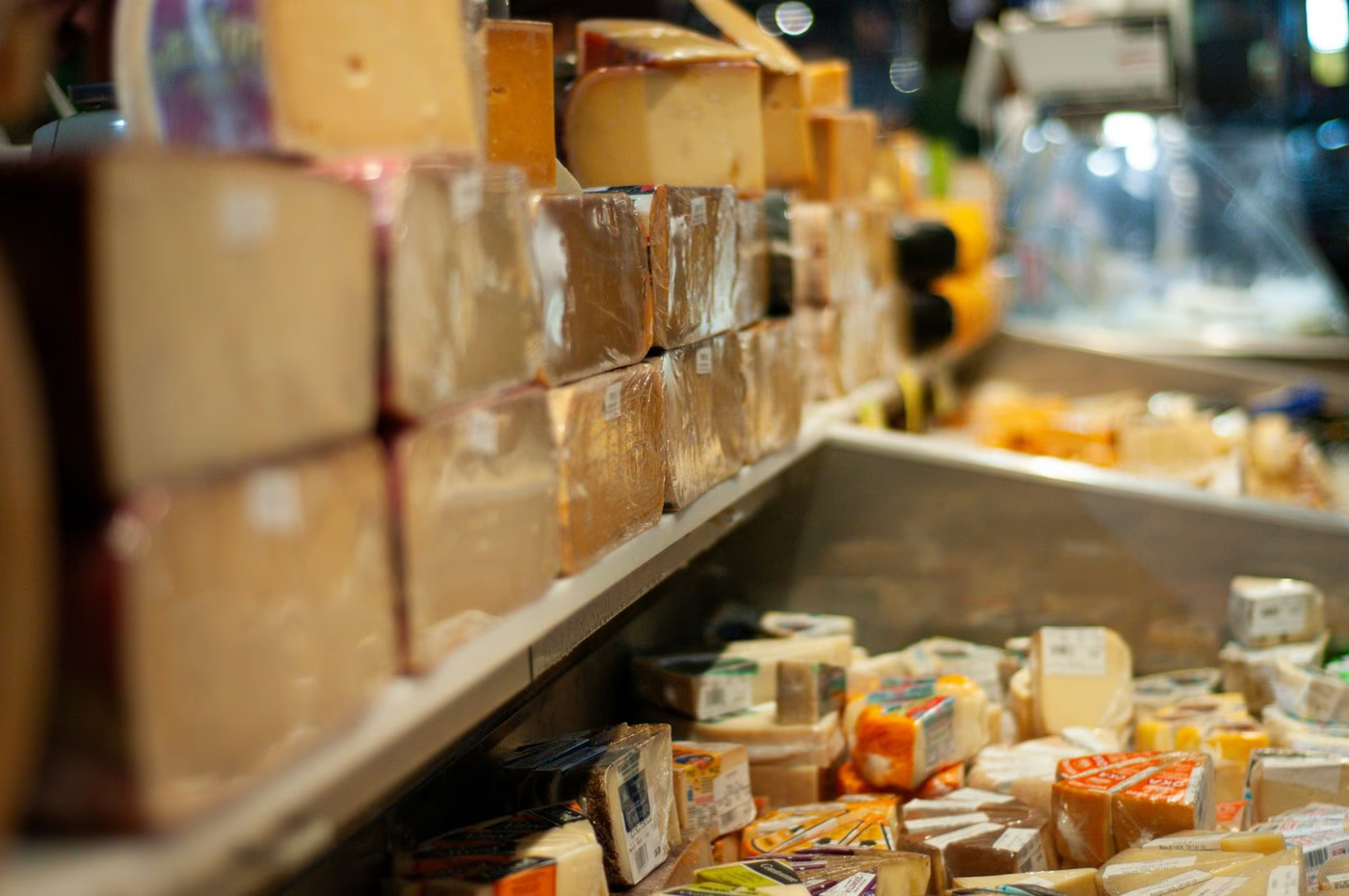
Quebec’s artisan creameries offer a range that goes well beyond traditional cheddar. Here are a few categories that deserve a place on an exceptional table.
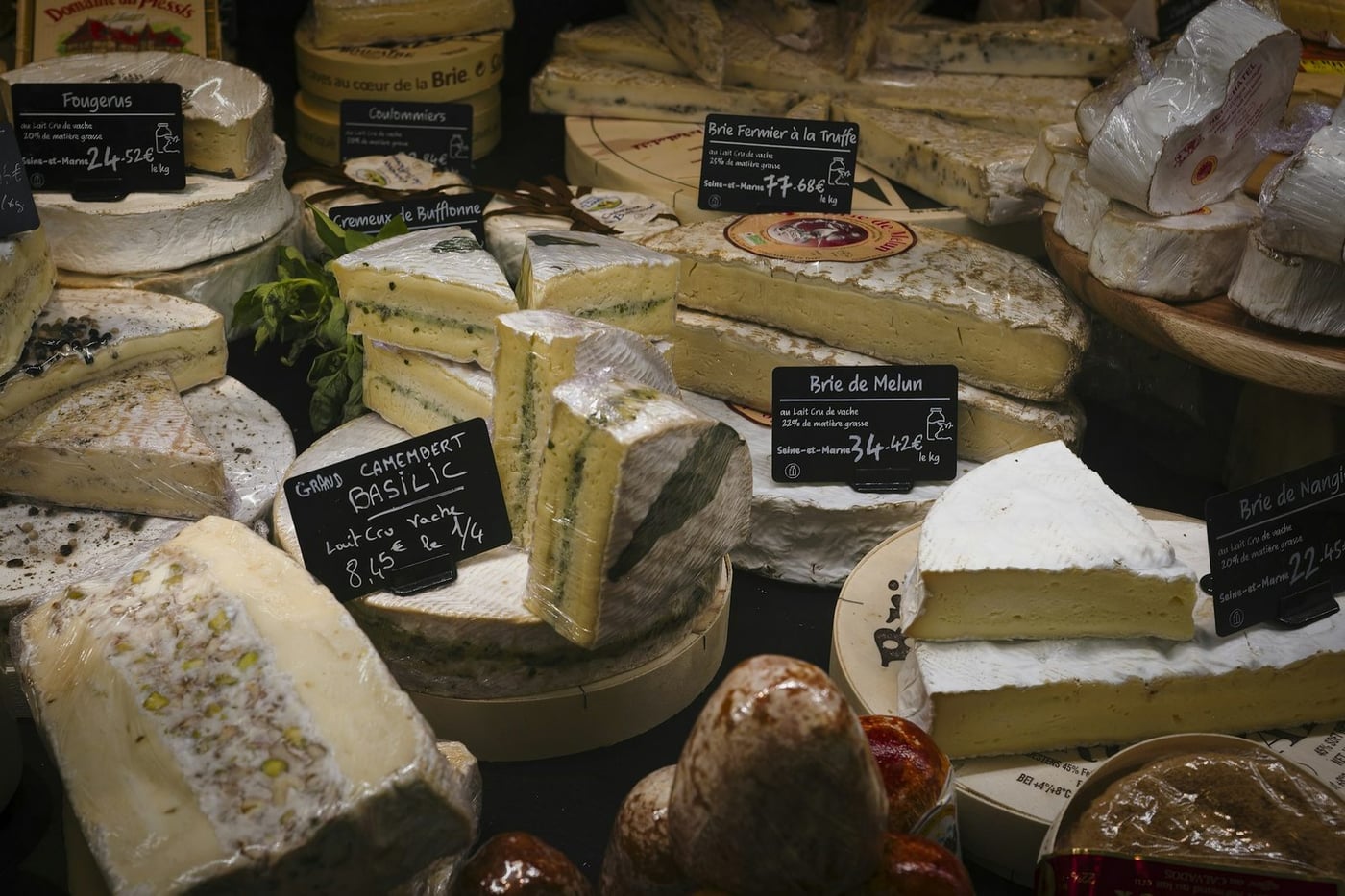
- Soft-ripened cheeses with bloomy rinds, close to Norman traditions
- Aged firm cheeses, often matured for several months in the cellar
- Goat cheeses, valued for their freshness and character
- Blue cheeses, with powerful, complex aromas
- Farmstead cheeses, made directly on the farm where the milk is produced
Why knowing where your cheese comes from matters
Beyond flavour, knowing the provenance of an artisan cheese adds another dimension to the tasting. Learning that a cheese comes from a specific herd, raised in a given region, turns a simple accompaniment into a genuine culinary discovery to share with guests.
A quality criterion more and more people look for
More and more Quebec consumers actively seek this traceability, preferring products whose story and origin are clearly identifiable over generic cheeses with no apparent link to a specific terroir. That expectation has pushed several artisan creameries to highlight their producers and methods on packaging or on their websites.
Industrial cheese vs Quebec artisan cheese
| Criterion | Industrial cheese | Quebec artisan cheese |
|---|---|---|
| Production volume | High, standardized | Limited, often in small batches |
| Milk origin | Multiple sources blended together | Often a single farm or region |
| Price per kilogram | Generally lower | Higher, reflecting the craft |
| Flavour diversity | Limited | Broad, specific to each creamery |
| Link to terroir | Weak | Direct and identifiable |
A sector that keeps innovating
Several of Quebec’s artisan creameries now experiment with mixed milks, aging methods inspired by foreign traditions, or collaborations with other local artisans such as brewers or honey producers. That ongoing creativity keeps consumer interest high and continually expands what is available when composing a distinctive table.
Want to discover Quebec artisan cheeses as part of a gastronomic evening? Explore a gastronomic table at home and bring these exceptional products into your menu.
Composing a memorable Quebec cheese board
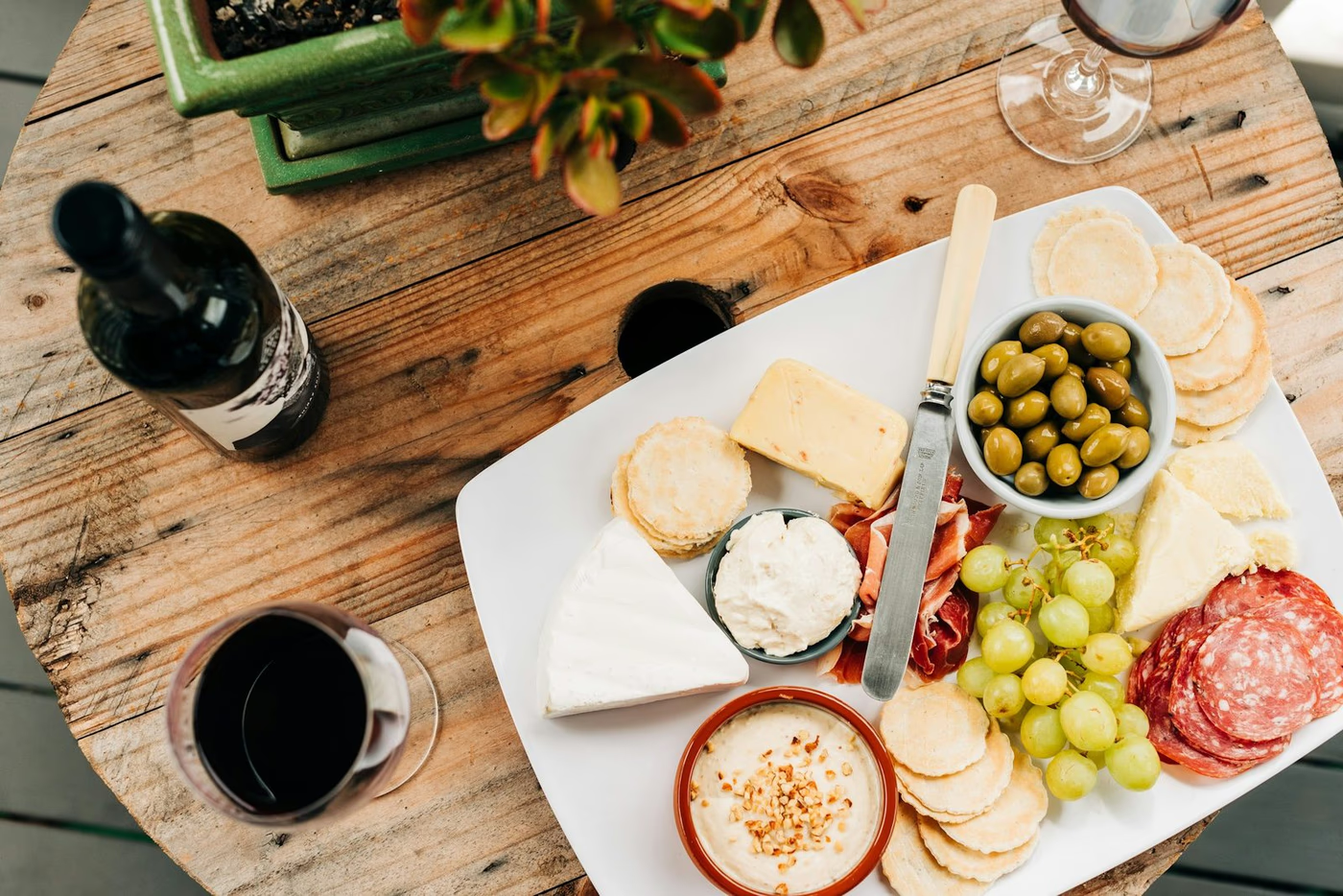
A good cheese board is never accidental. It combines varied textures, intensities, and origins to give guests a complete, balanced tasting experience.
Balance between textures and intensities
A successful board generally mixes a soft cheese, a firm cheese, a goat cheese, and a blue, served with condiments that bring out their respective qualities, such as honey, nuts, or dried fruit from Quebec.
Pairing with seasonal products
Matching artisan cheeses with seasonal products, such as fresh fruit in summer or homemade preserves in winter, strengthens the overall coherence of a meal.
Bringing artisan cheeses to a gastronomic table
Quebec artisan cheeses find a natural place in a gastronomic dinner at home, whether at the end of the service or worked directly into certain dishes prepared by the chef.
Pairing artisan cheeses during a meal
The choice of accompaniments directly shapes how the cheeses are perceived. Quality bread, lightly toasted nuts, local honey, or fresh fruit according to the season all help their nuances come through.
FAQ
How much cheese does Quebec produce each year?
According to La Presse, in collaboration with Les Producteurs de lait du Québec, the province produces 200,300 tonnes of cheese each year, including 33,500 tonnes of fine cheeses. Warwick, in Centre-du-Québec, has also been named the province’s fine-cheese capital.
Which categories of Quebec artisan cheeses can you discover?
Quebec’s artisan creameries offer, among others, soft-ripened cheeses with bloomy rinds, aged firm cheeses, goat cheeses, blue cheeses, and farmstead cheeses made directly on the farm where the milk is produced.
What is the difference between industrial cheese and Quebec artisan cheese?
Industrial cheese is defined by high, standardized production volumes, milk from multiple sources, and limited flavour diversity. Quebec artisan cheese is often produced in small batches, with milk from a single farm or region, a direct link to terroir, and a flavour range specific to each creamery.
How do you compose a memorable Quebec cheese board?
A successful board generally mixes a soft cheese, a firm cheese, a goat cheese, and a blue. It is served with condiments that bring out their character, such as honey, nuts, or dried fruit from Quebec, then paired with seasonal products.
Why does the origin of an artisan cheese matter?
Knowing the provenance of an artisan cheese, for example a specific herd raised in a given region, turns a simple accompaniment into a culinary discovery. More and more Quebec consumers look for this traceability rather than generic cheeses with no link to a terroir.