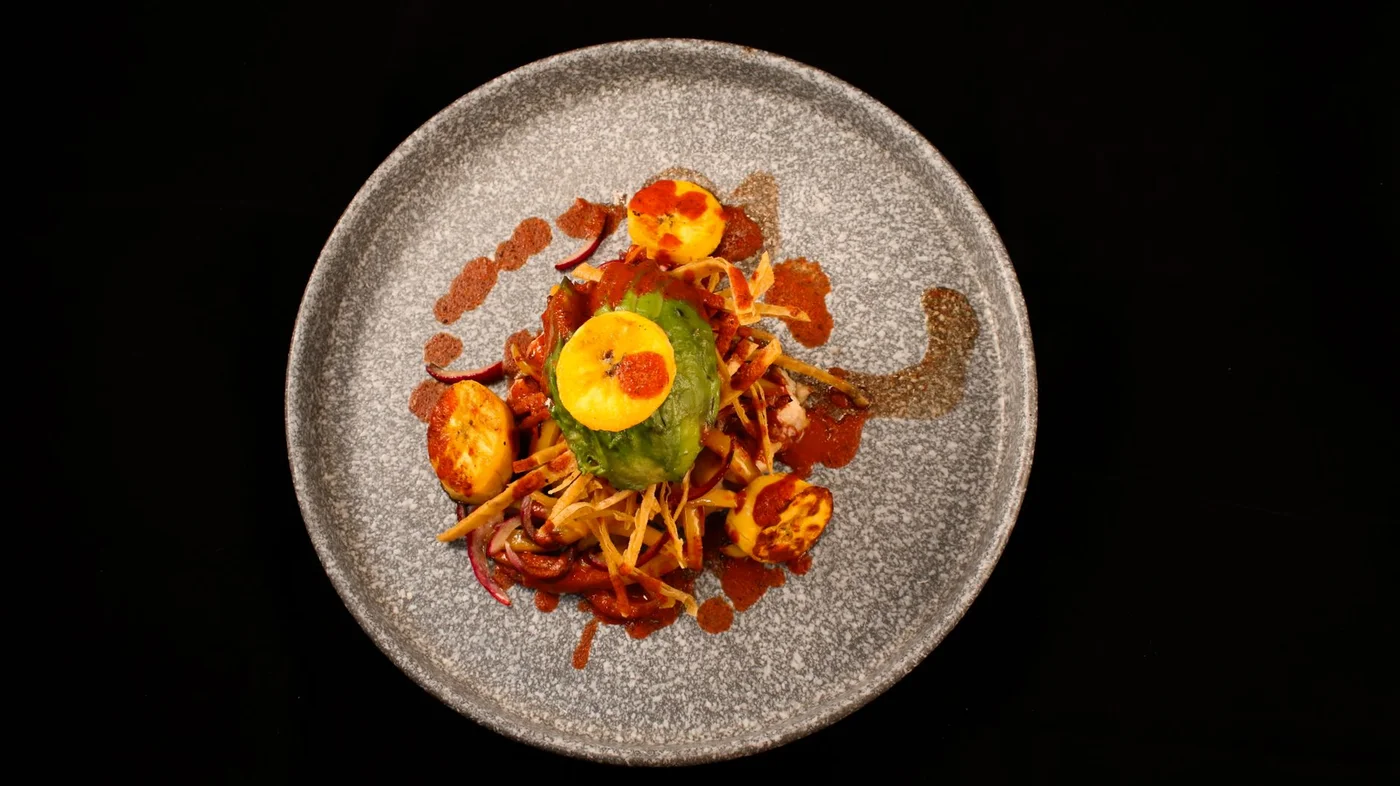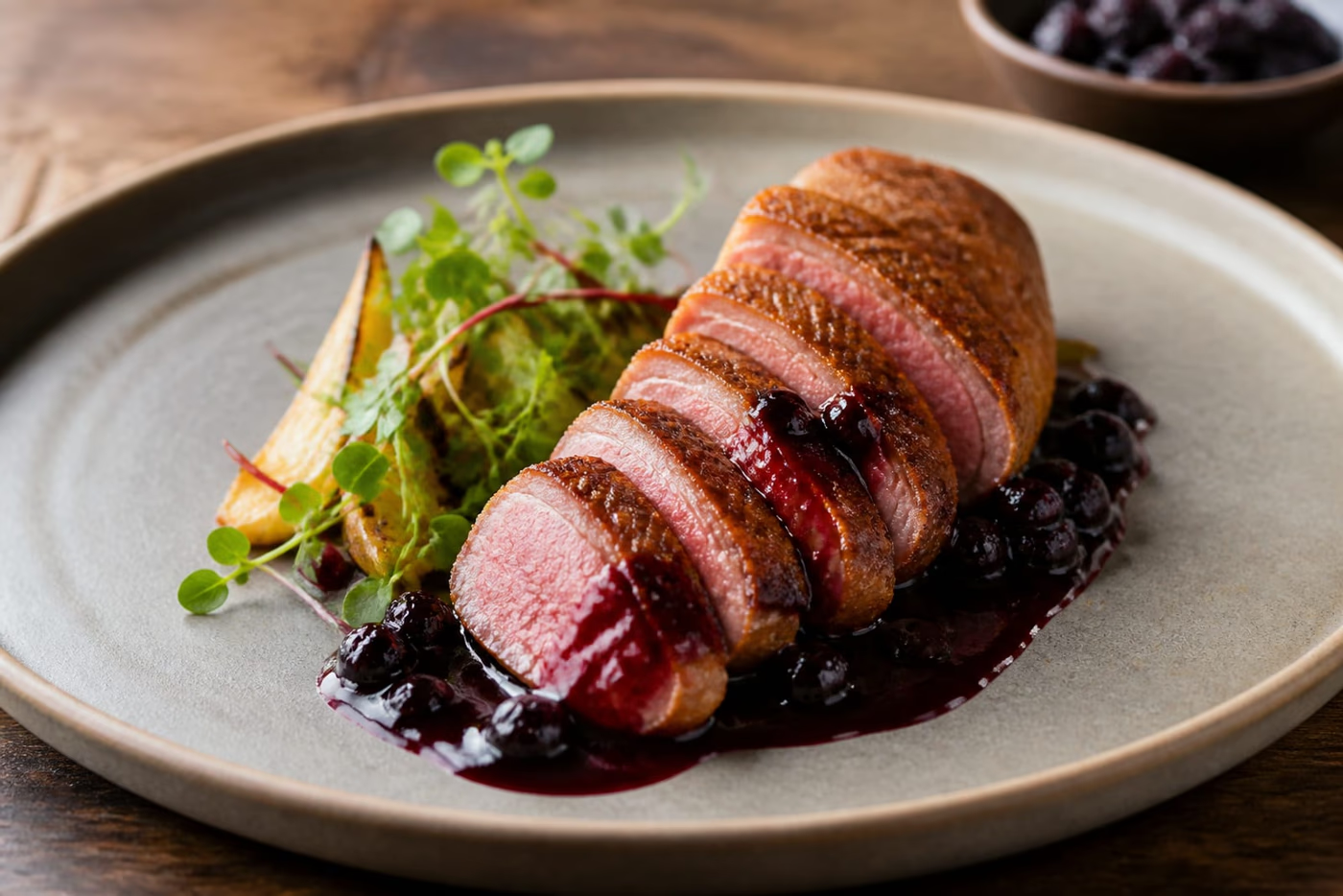
Restaurant menu development makes it possible to turn a static menu into a tool designed for margin, dish popularity, and real kitchen efficiency. A restaurant’s menu is in fact far more than a simple list of dishes: it is the establishment’s main sales tool and one of the most direct levers of its profitability.
Yet many restaurateurs build their menu intuitively, without ever evaluating it with a rigorous method, which often lets significant margins slip away without anyone noticing.
Why review your restaurant's menu development
A menu that has not been reviewed for several seasons often accumulates unprofitable dishes, recipes too complex for the service volume, or prices that no longer reflect the real cost of ingredients.
The menu as a profitability tool, not just a creative one
Menu engineering, an analysis method born in the 1980s, makes it possible to classify each dish according to its popularity and profitability. According to Lightspeed, this approach helps restaurateurs identify the dishes that truly contribute to profits and those that should be removed or adjusted. A consultant chef applies this grid with a technical, but also a culinary, eye.
A menu designed for the kitchen’s real capacity
A menu too ambitious for the size of the team or the kitchen space creates service delays and wears out the cooks. Menu development takes the restaurant’s real logistics into account, not just the idea on paper.
The balance between creativity and operational constraints
Successful menu development does not only seek to impress on paper. It accounts for the kitchen’s real constraints: prep times, waste management, the availability of ingredients by season, and the team’s ability to reproduce each dish consistently, night after night.
This balance between culinary ambition and operational feasibility is what sets a menu that truly works apart from one that is appealing in theory but hard to execute under pressure on a busy Friday night.
The key steps of structured menu development
Menu-development support generally follows a progressive approach, from diagnosis to implementation.
- Analysis of the current menu, sales, and margins per dish
- Identifying dishes to keep, adjust, or remove
- Creating new culinary proposals aligned with the concept
- Testing and adjusting recipes under real service conditions
- Training the kitchen team on the new spec sheets
- Strategic positioning of dishes on the printed menu
Overhauling a restaurant's menu vs. occasional tweaks
| Approach | Occasional tweaks | Structured menu development |
|---|---|---|
| Margin analysis | Rarely measured precisely | Calculated dish by dish |
| Concept consistency | Can dilute over time | Reinforced and clarified |
| Team training | Informal | Clear spec sheets and standards |
| Impact on profitability | Limited and uncertain | Measurable and lasting |
| Recommended frequency | As issues arise | Planned seasonal review |
A consultant chef's contribution to menu positioning
Beyond the recipes themselves, the way dishes are presented and positioned on the menu directly influences guests’ choices. According to HDC Hospitality, a food consultant uses techniques like strategic dish positioning and sensory descriptions to steer the guest’s attention toward the most profitable items, without resorting to discounts or promotions.
Expertise that goes beyond simple cost management
The chef behind this support draws on training acquired alongside chefs such as Alain Ducasse, Olivier Roellinger, Laurent Godbout, and Daniel Boulud, as well as experience in the opening of the Roselys restaurant at the Fairmont The Queen Elizabeth, to propose recipes that stay realistic in the kitchen while elevating the restaurant’s culinary offering.
Are you considering reviewing your restaurant’s menu? Plan a meeting to discuss tailored support adapted to your concept and your team.
The impact of menu development on food-cost management
The cost of ingredients fluctuates regularly, sometimes significantly from one season to the next. A menu that has not been reviewed in a long time can hide margins that have gradually eroded without anyone realizing, until the restaurant’s overall figures feel the effect.
Tracking margins dish by dish, not just overall
A fine, dish-by-dish analysis often reveals surprises: an item seen as profitable may actually generate a thin margin once all costs are precisely calculated, including waste and prep time. Menu development makes it possible to correct these blind spots before they affect the establishment’s overall financial health.
Adjusting without distorting the culinary identity
The goal is not to sacrifice quality to improve margins, but to find the adjustments that preserve the guest experience while ensuring the restaurant’s long-term viability, whether through a change of portion, supplier, or preparation method.
Testing before rolling out a menu change
Before imposing a new menu across the whole service, it is wise to test the new proposals over a limited period. This pilot phase quickly reveals the necessary adjustments, whether in prep time, guests’ real appreciation, or the constant availability of the required ingredients.
Gathering feedback from the team and guests
The cooks who execute the recipes day to day often notice practical details that escape the initial planning. Likewise, guests’ spontaneous comments, whether positive or critical, usefully guide the final adjustments before the official launch of a revised menu.
Menu development and restaurant openings, two linked mandates
Menu development is not only for restaurants already in operation. It is also a decisive step when opening a new establishment, where the menu must be designed from the outset around the kitchen, the staff, and the intended positioning. For owners preparing a launch, the article on how to open a restaurant with a consultant’s help rounds out this reflection nicely.
Restaurant menu development, an investment that pays off
Restaurant menu development is not an aesthetic exercise, but a strategic approach that directly affects the establishment’s profitability and culinary identity. By combining a rigorous analysis of margins with a gastronomic sensibility, a consultant chef helps restaurateurs turn their menu into a genuine performance tool.
Plan a meeting to kick off your restaurant’s menu development.
FAQ
How often should you carry out a restaurant’s menu development?
Restaurant menu development is generally done seasonally, based on what’s in season and the sales trends observed. Some establishments adjust their menu more frequently if food costs fluctuate a lot. The key is to regularly analyze the popularity and profitability of dishes rather than waiting for a margin problem to become visible in the overall figures.
Does menu development mean changing everything on the menu?
No, not necessarily. The process begins with an analysis that distinguishes the top performers from the dishes to adjust or remove. Several popular, profitable recipes stay unchanged. The goal is to optimize the whole menu, not to upend the restaurant’s identity or disorient guests already loyal to certain house classics.
Can a consultant chef work with the existing kitchen team?
Yes, and it is even a common and often preferable practice. The consultant collaborates with the cooks already in place to develop realistic spec sheets, adapted to their skills and the service volume. This approach fosters the team’s buy-in to the changes, rather than imposing recipes disconnected from the kitchen’s daily reality.