Successful food and wine pairing at home rests on a simple principle: match the intensity of the wine to that of the dish. Light dishes go with crisp wines, rich dishes with full-bodied ones, and the sauce, rather than the protein alone, should guide your choice.
Entertaining at home is no longer just about cooking a good meal. Food and wine pairing at home turns an ordinary dinner into a true experience, with no reservation and no travel. Done well, it extends the pleasure of the table and gives every course a reason to be savoured.
Yet the exercise still intimidates many hosts. Do you need a different wine for each dish? White or red with poultry? This guide brings together the practical guidelines chefs use to match flavours, with pride of place given to Quebec wines, now a fixture on our tables.
Why food and wine harmony matters at home
A good pairing doesn’t just accompany a dish: it elevates it. The wine reveals hidden flavours, and the dish in turn brings out the qualities of the wine. This meeting, often described as almost magical, is what separates a decent meal from a memorable one.
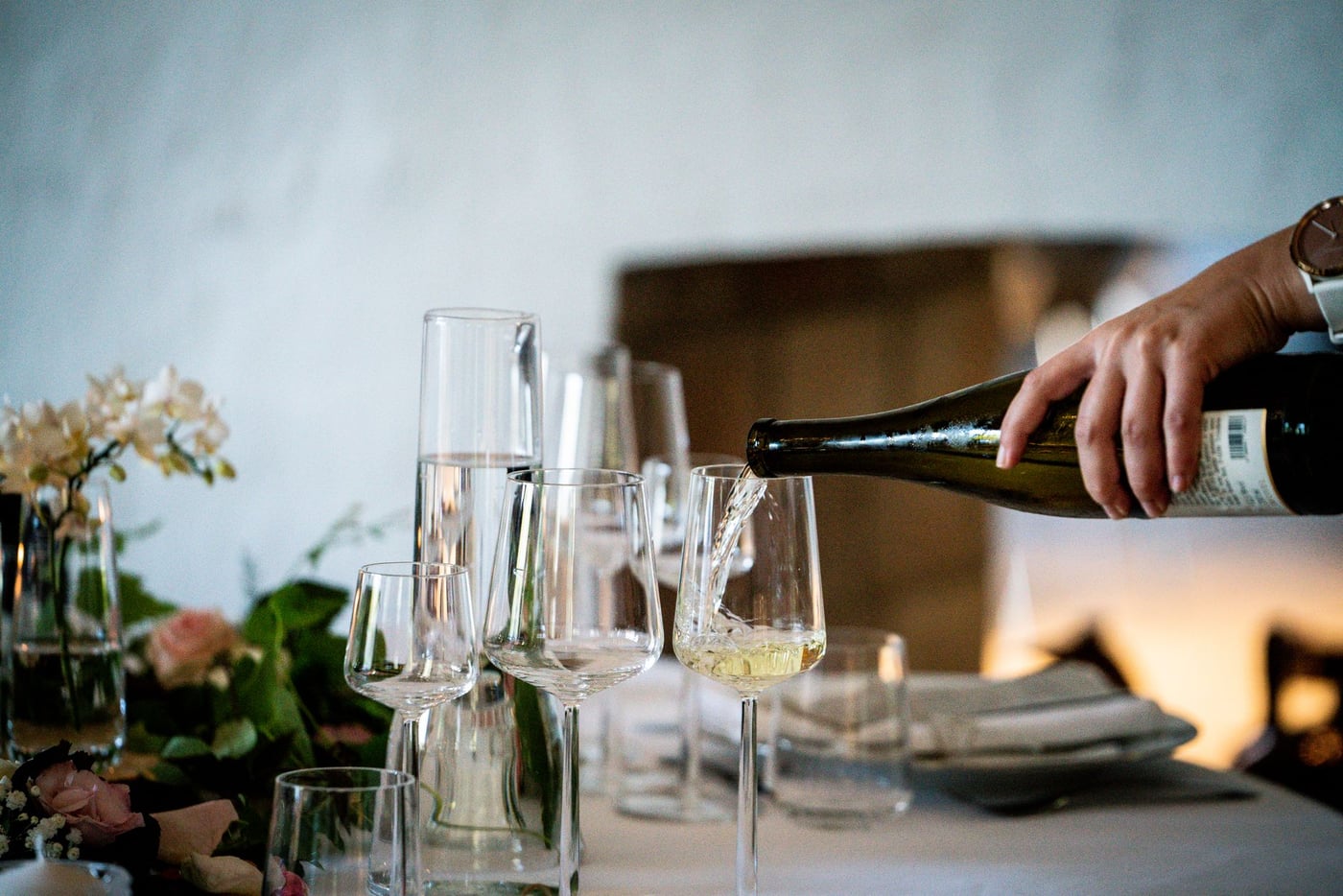
Hosting at home offers an advantage no restaurant can: full control over the pace, the portions and the choice of bottles. You serve the wine at the right temperature, in the right glasses, at the right moment. It’s the ideal setting to try out pairings and surprise your guests.
This attention to detail goes hand in hand with local, seasonal cooking. Choosing fresh produce and nearby wines creates a consistency of flavour that guests notice right away, as a seasonal cuisine approach in Quebec clearly shows.
The principles of a good food and wine pairing
Wine pairing isn’t a rigid science, but a few key principles guide most successful matches. The most important is balancing intensities, which experts recommend in order to match the intensity of the wine to that of the dish. A wine that’s too powerful overwhelms a delicate dish; a wine that’s too light disappears next to a rich one.
Similarity or contrast
There are two complementary approaches. A similarity pairing brings together a wine and a dish that share the same traits, for example a floral white with a fragrant salad. A contrast pairing sets two profiles against each other to create balance: a crisp, acidic wine cuts beautifully through the richness of a fatty dish or a creamy sauce.
The sauce chooses the wine
In the kitchen, it’s often said that the sauce is in charge, not the protein. A plain roast chicken doesn’t call for the same wine as chicken in a mushroom sauce. The cooking method matters just as much: a smoky grilled dish needs more structure than something steamed.
Here are the guidelines to keep in mind:
- Intensity: the more flavourful the dish, the bolder the wine should be.
- Acidity and fat: an acidic wine balances a rich dish.
- Tannins and fish: avoid very tannic reds with fish, as they can leave a metallic taste.
- Sugar: with dessert, the wine should be at least as sweet as the plate.
- Regional pairing: what grows together goes together, an almost foolproof rule.
Choosing Quebec wines for your gatherings
Quebec’s wine industry has matured and now offers bottles of real quality. Since the recognition of the Vin du Québec reserved designation, a certified Quebec wine guarantees that the grapes are grown and vinified in the province, a mark of traceability and quality.
Hardy grape varieties, adapted to our climate, offer distinctive profiles. Whites made from Seyval and Vidal stand out for their freshness and floral notes. Reds from Frontenac and Marquette bring body and ripe fruit notes. Icewine, a point of national pride, elevates desserts.
Whites and rosés for aperitifs and starters
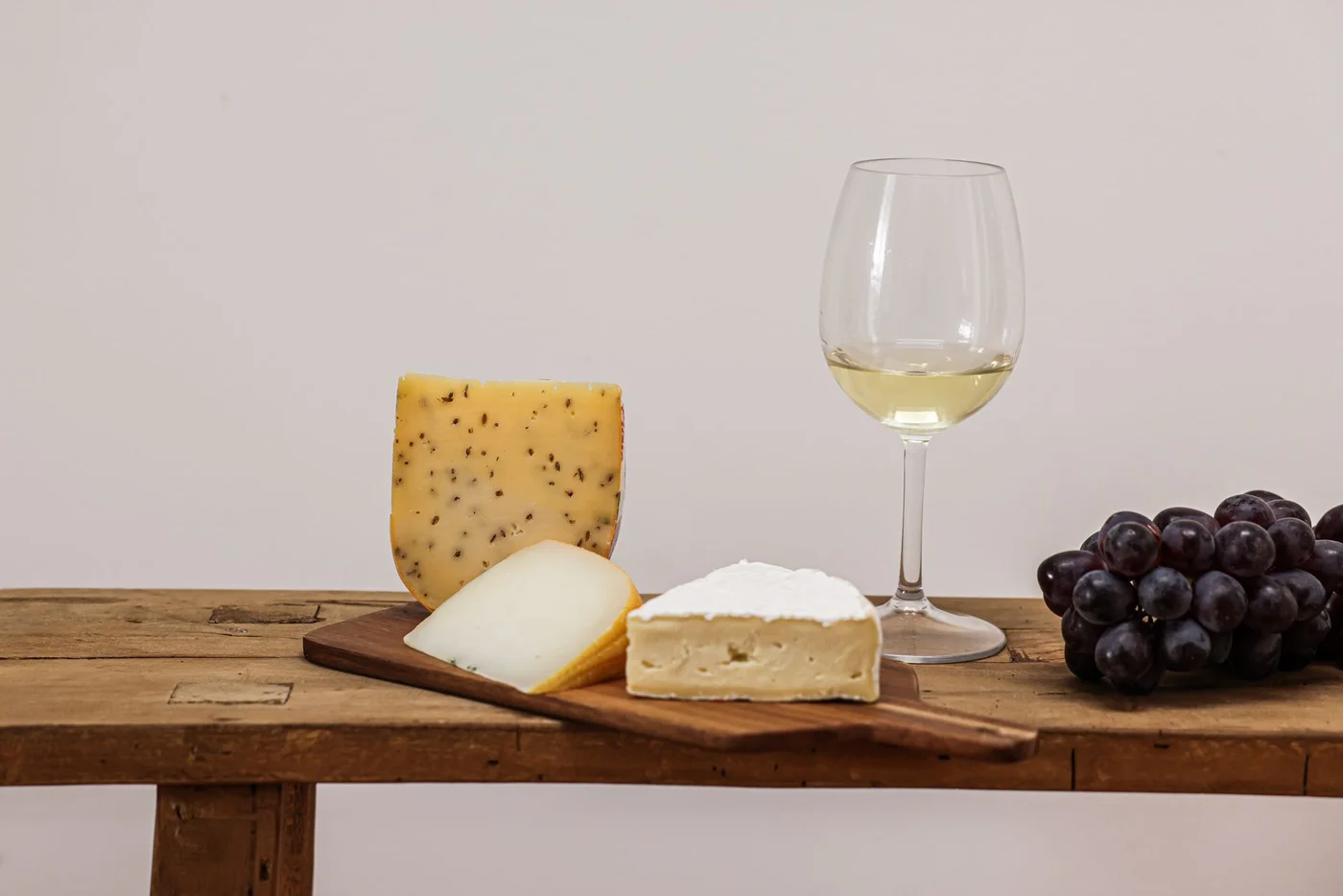
A crisp, mineral Quebec white wine is the perfect way to open the meal. Serve it with oysters, a tartare or a board of Quebec artisan cheeses. A dry rosé pairs lightly with summer starters and crudités.
Reds for main courses
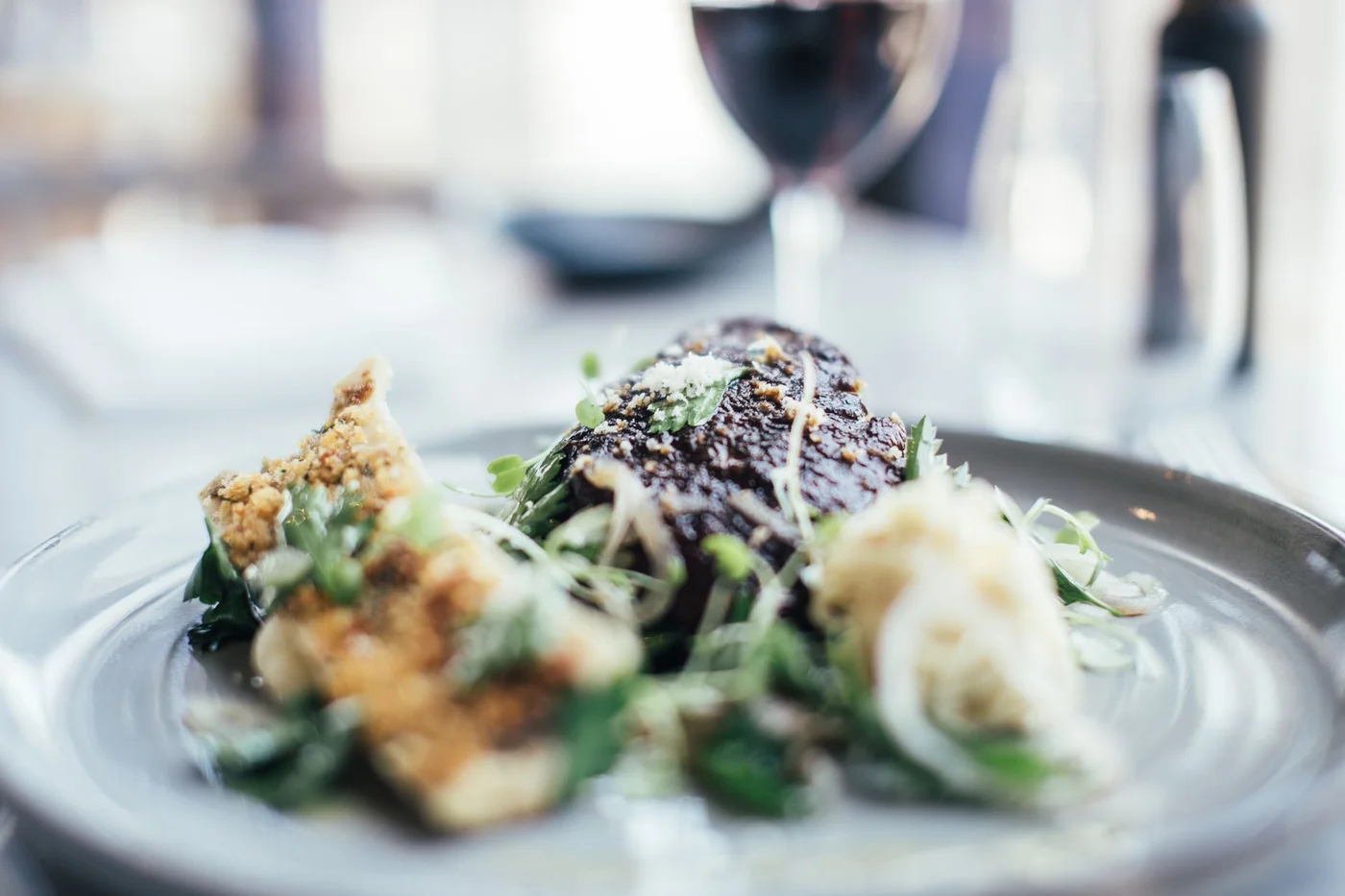
With grilled meat or a braised dish, a structured Quebec red holds its own without taking over. Served slightly chilled, it reveals its fruit and suppleness, ideal for a relaxed dinner.
| Dish | Wine style | Quebec grape varieties |
|---|---|---|
| Seafood and fish | Dry, crisp white | Seyval, Vidal |
| Poultry and white meats | Round white or light red | Frontenac Gris, Pinot |
| Red meat and game | Full-bodied, structured red | Frontenac, Marquette |
| Quebec cheeses | Aromatic white or supple red | Vidal, dry rosé |
| Desserts | Sweet or sparkling wine | Icewine, late harvest |
Want to entertain without spending the evening in the kitchen? Handing the stove and the service over to a private chef frees up time to fully enjoy your guests and your bottles, while keeping the warm atmosphere of a meal at home.
Building your food and wine pairings around the menu
A multi-course meal calls for a thoughtful progression. Build in intensity from start to finish: bubbles or a crisp white with the aperitif, a round white with fish, a supple then full-bodied red with meat, and a sweet wine with dessert. This arc keeps the palate from growing tired.
For a structured menu such as a five-course dinner at home, two or three well-chosen bottles are often enough. There’s no need to multiply them: a few accurate pairings beat a long, approximate list.
A few tried-and-true pairing ideas:
- Quebec sparkling wine with savoury bites and fresh cheese.
- Vidal white with fish, seafood and goat cheeses.
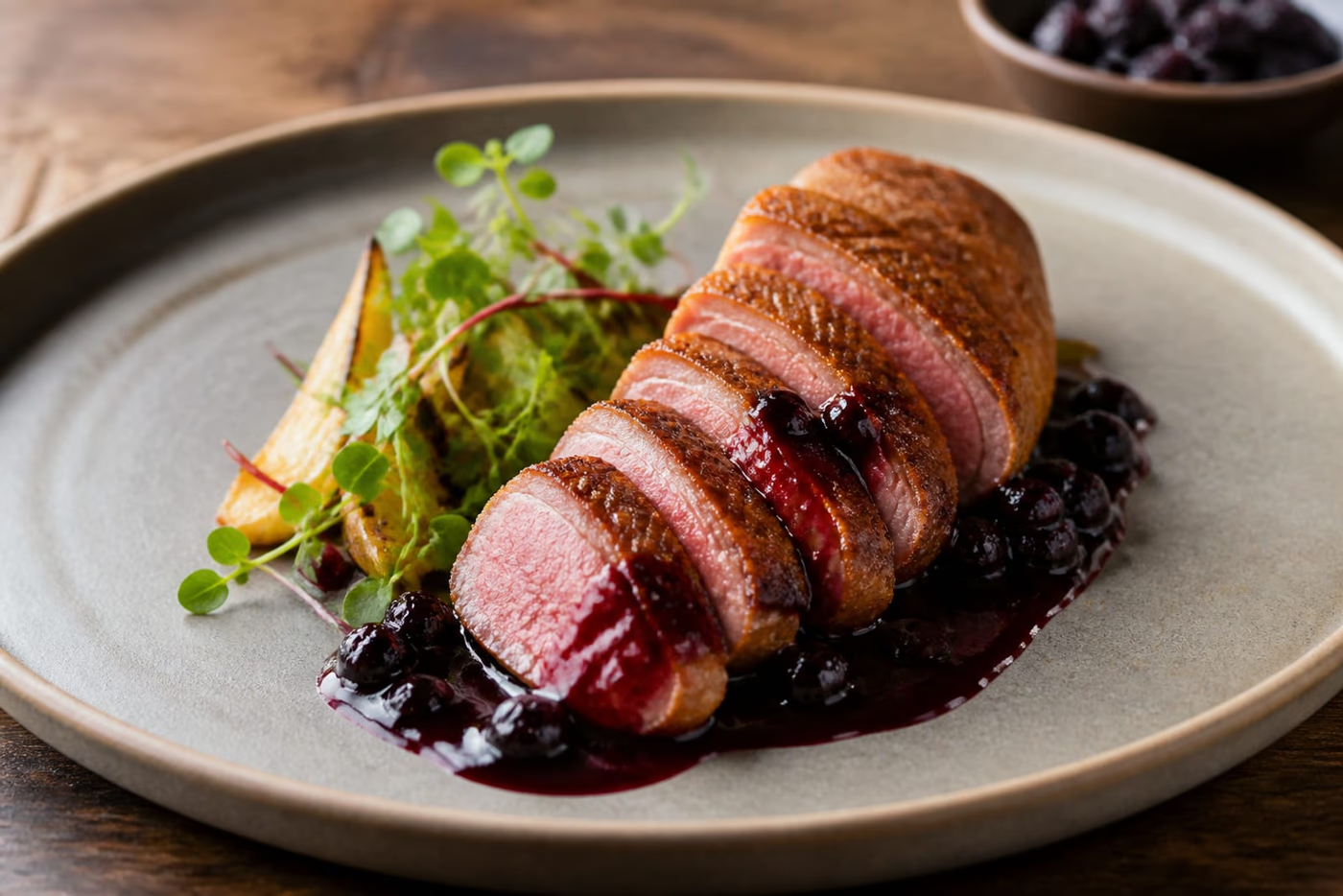
- Red with duck, lamb and braised dishes.
- Dry rosé with light grilled dishes and main-course salads.
- Icewine with fruit tarts and chocolate desserts.
For a dinner for two, these principles also apply to a romantic dinner at home, where a single well-chosen pairing is enough to make the evening memorable.
Conclusion
Mastering food and wine pairing at home requires neither a sommelier diploma nor an impressive cellar. By balancing intensities, listening to the sauce and choosing Quebec wines, any host can turn a meal into a memorable moment. Taste, adjust, and let pleasure guide your choices.
To go further without worrying about logistics, a private chef service and menu lets you hand the cooking, the service and the pairings over to a professional, so you can savour every bite alongside your guests.
FAQ
How can I pair food and wine at home without being a sommelier?
To succeed with food and wine pairing at home, remember one central rule: balance the intensity of the dish and the wine. Serve crisp whites with fish and starters, supple reds with white meats and full-bodied reds with game. Let the sauce guide you rather than the protein alone, taste before serving and adjust to your guests’ enjoyment.
Which Quebec wines should I choose for a meal at home?
Quebec wines offer an ideal range for entertaining. Seyval or Vidal whites, crisp and floral, go well with seafood, salads and fresh cheeses. Frontenac or Marquette reds, with more body, suit grilled meats and braised dishes. A Quebec icewine ends the meal alongside dessert. Favour locally produced bottles under a designation recognized for its quality and typicity.
Do you need a different wine for each course?
It’s not required, but a wine for each course showcases every dish. For a multi-course dinner, plan a progression from lightest to boldest: bubbles or a crisp white with the aperitif, a round white with fish, a supple red with meat, then a sweet wine with dessert. Two or three well-chosen bottles are often enough to create a lovely harmony without crowding the table.
How do you pair wine with a spicy or sweet dish?
Spicy dishes call for caution: alcohol amplifies the heat. Choose a slightly sweet white, a fresh rosé or a fruity red with low tannins. For desserts, follow the golden rule: the wine should be at least as sweet as the plate, or it will taste sour. A late-harvest wine or a Quebec icewine works wonders with sweet treats.